

Key Takeaways
- Struggles with daily tasks like bathing, meals, and medications can signal that more support is needed.
- Safety concerns at home, including falls and social withdrawal, are signs worth paying attention to.
- Caregiver burnout is real, and it matters just as much as your loved one’s physical needs.
- Assisted living offers personalized care, community connection, and emotional well-being support.
- A tour can be a gentle, low-pressure first step toward finding the right fit.
Recognizing When More Support Is the Right Move
Sometimes you notice small changes in your loved one’s habits. They might suddenly lose interest in what they’ve used to love. And those changes stay on your mind.
Over time, those small changes add up, and so do your worries. You wonder if those changes are normal or if it’s a sign that a hand is needed. Fremont Village Senior Living understands how emotional and overwhelming observations like these can be for caregivers.
Knowing when assisted living is needed often comes down to watching for patterns, not just individual moments. Aging can cause changes in routines naturally. But when daily life, safety, and emotional well-being all start to show signs of strain, a conversation about receiving help might be warranted.
If you’re not sure where your loved one’s situation falls, you can start by learning who qualifies for assisted living.
When Daily Life Has Become a Challenge
Some of the earliest signs that a loved one may need more support show up in everyday routines. Bathing, getting dressed, or keeping up with personal hygiene can become harder without some help. These tasks are known as activities of daily living. And they’re often the first place where families notice a real change.
Look out for missed medications and skipped meals. Both can quietly impact health in ways that aren’t immediately obvious. You may also notice chores like laundry or grocery shopping starting to pile up. These are all signs that your loved one may need a little bit of assistance.
When Safety at Home Becomes a Growing Concern
Physical Safety Red Flags
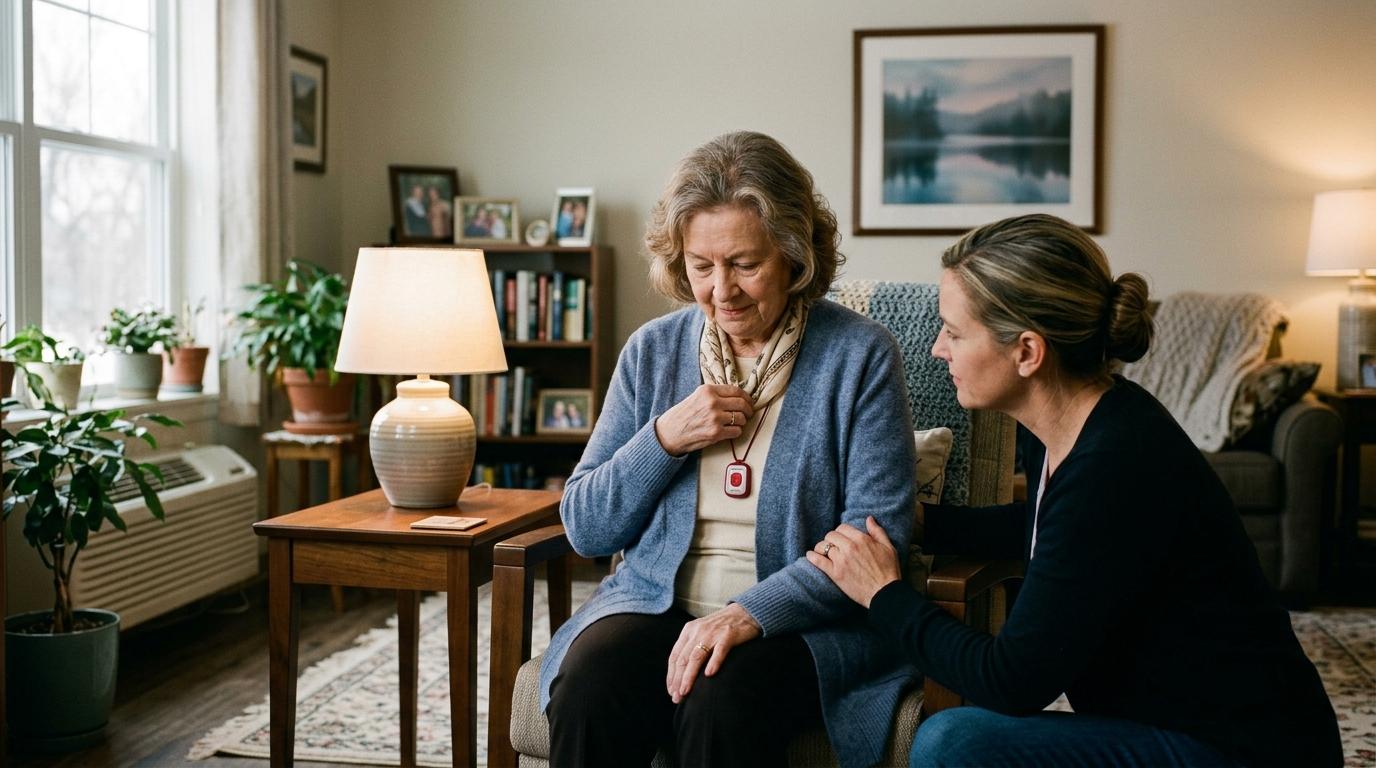
Falls are one of the most common safety concerns for seniors living at home. If your loved one has had unexplained bruises, a recent fall, or a few close calls, those experiences are worth taking seriously. Try reading up on practical ways to understand and address fall risks for seniors to make your love actionable.
Wandering or getting confused in familiar places is another sign that deserves attention. Keeping a close eye on your loved one’s cognitive change can help you decide if memory care may be an option that fits them better.
Emotional and Social Withdrawal
Changes in mood and social habits are not to be neglected. Look closely at your loved one’s social life. Are they pulling back from friends, family, or activities they used to love? What some caregivers don’t realize is that the lack of a social life for seniors can pose a serious risk to health.
Senior living communities offer something special, and that’s connection. Daily programs, shared meals, and active neighbors wrap their day in opportunities to make friends. Take a look at the monthly activity calendar to get a sense of what that day-to-day connection can look like.
What Assisted Living Offers Your Loved One
Personalized Support and Care
Assisted living truly shines when the care plan is built around your loved one’s individual’s preferences and routines. They get help when they need it and space when they don’t. We aim to encourage independence by being the firm hand that catches them when needs arise.
And that balance matters. Knowing that there’s support can make a real difference in how secure your loved one feels day to day. That’s why it’s important to learn about the full range of services and amenities available to a community’s residents before you make a decision.
Community, Connection, and Wellness
Assisted living communities focus on the whole person, not just their physical health. Daily programs, social activities, and wellness opportunities make every week feel fresh. Spiritual health support and emotional care are sometimes also available.
While these programs can keep residents engaged both physically and mentally, they serve a bigger purpose. These activities tie the community together. When you get to see your friends every day, the community naturally becomes one big family.
How to Know It’s Time to Have the Conversation
If you’ve been reading through this and nodding along, that recognition itself is meaningful. Talking about assisted living paves the way to a more manageable care style for both you and your loved one. If you’re still unsure, just know that there are signs that it’s time to consider assisted living that can help frame that discussion.
The conversation can be light. Start simple and focus on what your loved one needs to feel supported and well. Fremont Village Senior Living welcomes families at any stage of that conversation.
Uncertainty shouldn’t hold you and your loved one back from care. Schedule a tour with us today to see what senior living actually looks and feels like. Our team is always happy to answer all the questions on your mind. Let your own eyes and ears tell you what life could be like in a warm community.