


Key Takeaways
- Normal age-related memory changes can include occasionally forgetting names or misplacing items without losing the ability to manage familiar responsibilities.
- Dementia is most common after age 65, but young-onset dementia can develop during a person’s 40s or 50s.
- Dementia can affect memory, language, judgment, problem-solving, behavior, and the ability to complete familiar tasks.
- Persistent or worsening cognitive changes that interfere with daily life deserve closer attention.
- Memory care can provide personalized assistance with routines, medications, personal care, meals, and other everyday needs.
What Age Does Dementia Typically Begin?
When a parent starts forgetting familiar names or getting turned around on a drive they’ve taken a hundred times, it’s natural to wonder what’s really going on. You might find yourself asking whether age is the reason, or if something more is happening beneath the surface. Some age-related memory problems are common, but others signal something more serious.
Most dementia cases begin after age 65, but dementia can set in earlier for some people, sometimes as young as the 40s or 50s. While age is the most common determining factor, it’s not the only one. Recognizing the difference between typical age-related changes and more persistent cognitive problems can help your family find the right support sooner.
What Are Normal Age-Related Memory Changes?
Getting older can affect how quickly the brain retrieves information. Someone might temporarily forget a name, need more time to learn something new, or occasionally misplace an item and retrace their steps to find it. These changes can be frustrating, but they usually don’t prevent someone from managing familiar responsibilities.
Dementia is different. Cognitive changes become more concerning when they happen repeatedly, grow more noticeable, or begin disrupting tasks that were once familiar. Forgetting an appointment occasionally is different from repeatedly missing appointments despite reminders, for example.
How to Recognize Dementia
Age is the strongest known risk factor for dementia, and most people living with dementia are 65 or older. However, dementia is not a normal or inevitable part of aging. Younger adults can develop it as well.
Dementia that begins before age 65 is often called young-onset or early-onset dementia. Symptoms can appear during a person’s 40s or 50s, when changes in memory or behavior may initially be attributed to stress, work demands, or other causes. Age provides useful context, but the pattern and effect of someone’s symptoms often tell families more than the number itself.
What Are the Early Signs of Dementia?
Dementia can affect memory, language, judgment, problem-solving, and behavior. Symptoms also differ from person to person, so families should pay attention to changes from a loved one’s usual abilities rather than looking for one specific sign.
Early changes can include:
- Memory loss that disrupts everyday routines
- Repeating the same questions or conversations
- Difficulty completing familiar tasks
- Confusion about dates, time, or familiar places
- Trouble finding words or following conversations
- Frequently losing items without being able to retrace steps
- Changes in judgment or decision-making
- Withdrawal from familiar interests or social activities
- Noticeable changes in mood or personality
An occasional lapse doesn’t establish that someone has dementia. But a pattern of changes that becomes more frequent, affects daily life, or causes new safety concerns deserves closer attention.
How Can Memory Care Support Someone With Dementia?
Dementia can gradually affect how someone manages medications, personal care, meals, routines, and safety. When cognitive changes affect a person’s daily life, memory care is an excellent way to help. This entire lifestyle is built around these changing cognitive needs while preserving as much independence as possible.
Personalized Daily Support
Memory care residents have different abilities, preferences, and care needs. A personalized care plan allows caregivers to provide the right level of assistance with daily routines while encouraging residents to continue doing what they can independently.
Personal Care for Everyday Tasks
Tasks such as dressing, bathing, grooming, and managing medications can become harder as dementia progresses. Caregivers can provide reminders, guidance, or hands-on assistance based on what each resident needs that day. This support keeps necessary tasks manageable while respecting established routines and personal preferences.
Familiar Routines and Secure Surroundings
Consistency can reduce some of the uncertainty that comes with memory loss. That’s why memory care communities use familiar schedules, recognizable spaces, and regular cues to make the day easier to follow, with secure surroundings that help residents move through the community with appropriate safeguards.
Activities and Social Connection
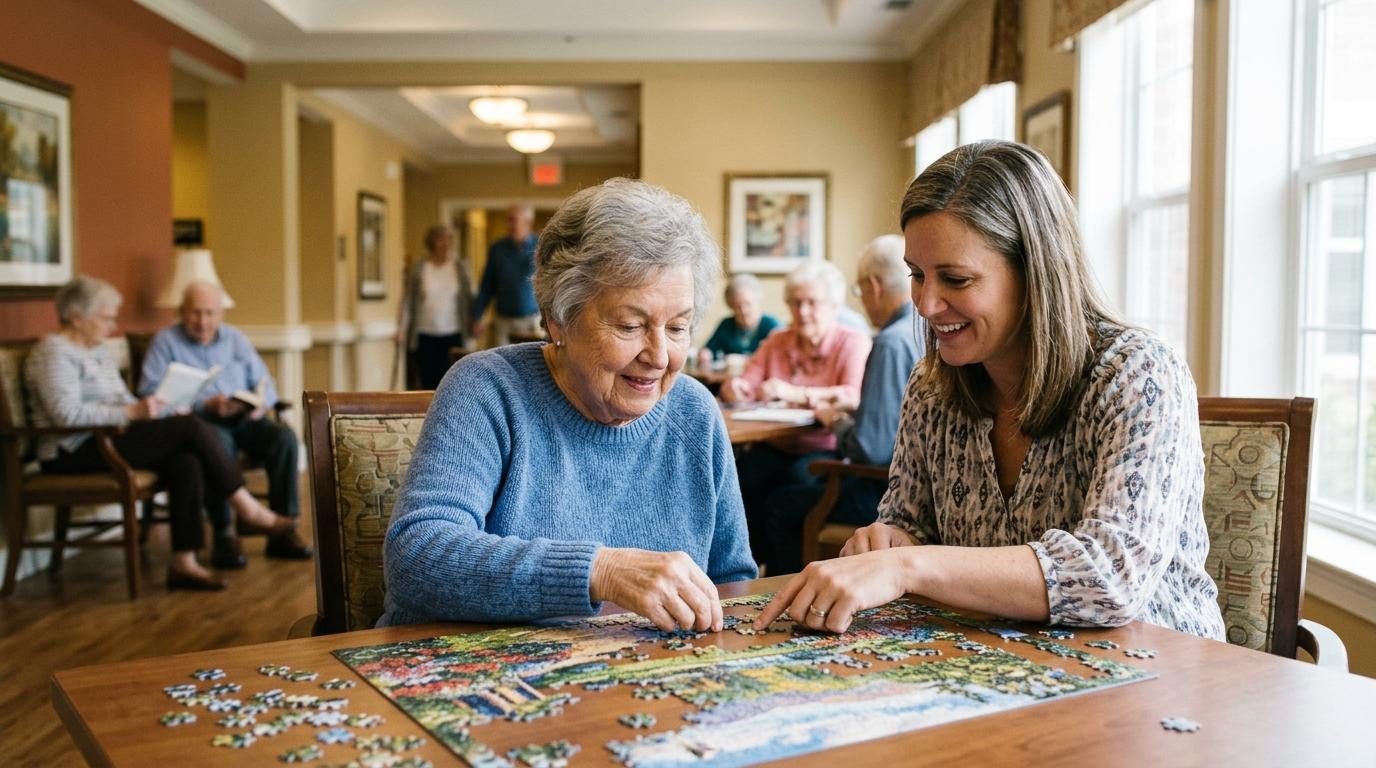
A full day involves more than completing care tasks. Activities can give residents opportunities to move, socialize, revisit familiar interests, and participate at a level that works for them. Regular interaction with caregivers and other residents also keeps social connection within the rhythm of everyday life.
Memory Care at Fremont Village Senior Living
Dementia does not have one starting age. Although the likelihood increases later in life, persistent changes in memory, judgment, communication, or familiar routines deserve attention at any age. Recognizing those changes and seeking a medical evaluation can clarify what is happening and what level of support may be appropriate.
At Fremont Village Senior Living, memory care provides personalized assistance, familiar routines, and opportunities for meaningful activity in a secure community setting. Our caregivers get to know each resident and adjust support as needs change, with dignity and daily quality of life kept at the center of care. Schedule a tour with our community, and come discover the benefits of memory care in Zimmerman.