


Key Takeaways
- Assisted living supports older adults with basic daily tasks in a home-like, social environment.
- Skilled nursing communities offer 24/7 medical supervision for people with complex health needs.
- Key differences include medical care levels, daily support, living setup, and cost.
- Rehabilitation services like physical therapy are usually only available in skilled nursing homes.
- Assisted living is typically paid out-of-pocket, while skilled nursing may qualify for Medicare or Medicaid.
How Assisted Living and Nursing Homes Differ
When you’re looking into senior care options for a loved one, it’s easy to feel uncertain about what level of support they need. Assisted living and skilled nursing homes are both valuable options—but they serve very different purposes.
The main difference comes down to the level of care. Assisted living supports older adults who are mostly independent but could use help with daily activities. Meanwhile, skilled nursing is designed for people who require around-the-clock medical care and supervision. The right choice for your loved one depends on their specific needs.
What Is Assisted Living?
Assisted living communities offer a warm, home-like setting where older adults receive help with tasks like bathing, dressing, and managing medications—while maintaining as much independence as possible.
Most residents live in private or semi-private apartments that they can personalize. They also enjoy meals, housekeeping, and a wide variety of social activities. Staff members are available 24/7 to offer help when needed, but the goal is to support personal routines and autonomy.
If your loved one values independence, enjoys staying social, and only needs occasional assistance, assisted living may be a great fit.
What Is Skilled Nursing?
Skilled nursing communities (commonly called nursing homes) are medical care environments that provide 24/7 oversight by licensed healthcare professionals. These communities are designed for people with serious or complex health conditions that require close monitoring, frequent treatment, or rehabilitation.
Skilled nursing residents may need support with multiple daily activities, as well as services like wound care, IV therapy, or physical therapy after a hospital stay. These settings often feel more clinical, with shared rooms, structured routines, and ongoing medical supervision.
If your loved one needs high-level care to stay safe and well, a skilled nursing community may be the most appropriate choice.
The Differences Between Assisted Living and Skilled Nursing
These two options may appear similar at first glance. However, they have some key differences, and they’re built to serve older adults with very different needs.
Level of Medical Support
Assisted living provides basic health support like medication reminders and wellness checks. However, it doesn’t include licensed medical care. Communities often coordinate with outside providers for health services, but don’t offer 24-hour nursing.
In contrast, skilled nursing homes are staffed by registered nurses and other licensed professionals around the clock. They serve people who need complex medical support, such as wound care, IV therapy, or feeding tube management.
Daily Care
If your loved one needs help with a few daily tasks—but can still manage most things on their own—assisted living is likely appropriate. This might include light mobility support, dressing, or meal assistance. Meanwhile, skilled nursing is ideal for someone who needs frequent or total assistance with multiple daily tasks, or supervision to stay safe throughout the day and night.
Living Environment
Assisted living residents typically enjoy more freedom and privacy. They can decorate their own space, come and go as they please, and participate in social outings and activities.
Skilled nursing homes are more clinical in nature. Rooms are often shared, schedules are more structured, and medical care is a constant part of the daily environment. While the space is still comfortable, the goal is to keep every resident safe and healthy.
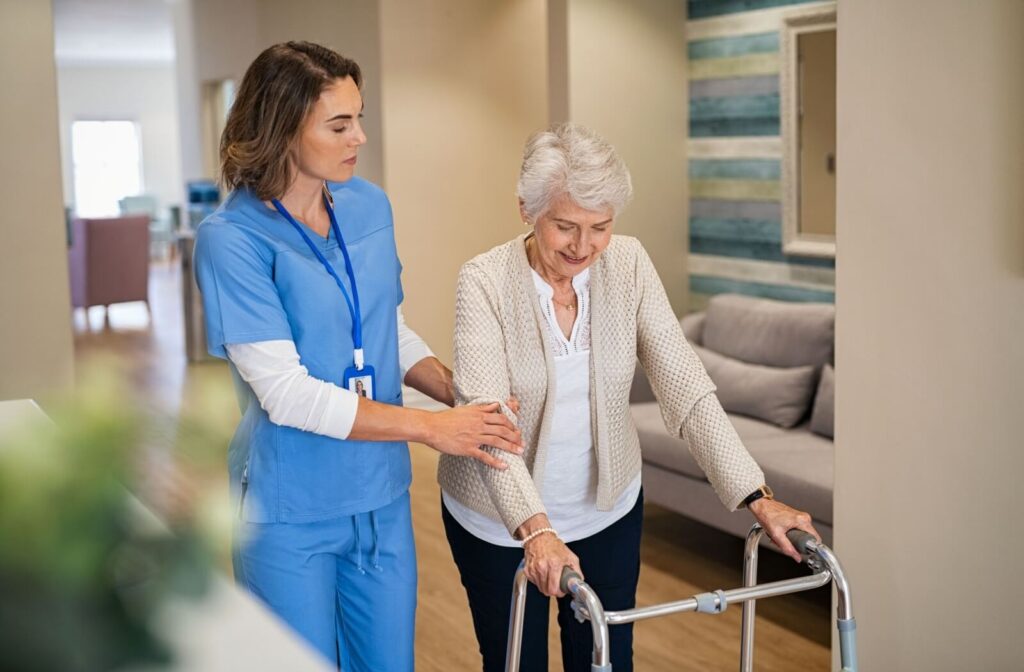
Rehabilitation and Therapy
Assisted living communities may offer wellness programs or basic physical activities, but rehabilitation services are limited. On the other hand, skilled nursing homes frequently provide physical therapy, occupational therapy, and speech therapy.
Cost and Insurance Coverage
Assisted living is often paid out of pocket or through long-term care insurance. The cost varies depending on the level of support and the amenities offered. Many families find the bundled pricing—housing, meals, and care—provides strong value.
Skilled nursing tends to be more expensive due to the intensity of medical care. Medicare may cover short stays following a hospital discharge. Medicaid can help with long-term costs for those who qualify.
How to Choose the Right Care Level for a Loved One
Choosing between assisted living and skilled nursing comes down to one key question: What kind of daily support does your loved one truly need?
- As you begin evaluating options, consider the following questions:
- Are they mostly independent, or do they need help with several daily activities?
- Can they manage medications on their own, or do they need reminders or supervision?
- Do they require nursing care or ongoing medical treatments?
- Are there cognitive issues, memory problems, or safety concerns?
- How mobile are they? Do they use a walker, wheelchair, or need assistance getting around?
- Are they socially engaged, or feeling isolated at home?
- Would they benefit more from a home-like environment or a clinical care setting?
This decision can feel difficult, especially when care needs are changing. So, taking a thoughtful, honest look at their situation can help you move forward with more clarity and confidence.
Is It Time for Assisted Living
Choosing assisted living is a big step. It’s a move towards giving your loved one the professional support they deserve. And here at Fremont Village Senior Living, we understand how personal and emotional this decision can be. That’s why we take the time to get to know your family—and offer support at every step.
If you’re wondering whether assisted living is the right fit for your loved one, we can help. Let’s talk about how we can support your goals and their quality of life. Book a tour with us today, and let’s talk about your options.